
 0
0
 0
0
How What Is Worn Shapes What Is Imagined
Lingerie has long played a subtle yet powerful role in erotic art, not as a final reveal, but as an invitation to imagine. Unlike explicit imagery, lingerie operates in the space between concealment and exposure, allowing suggestion to take precedence over certainty. Its presence directs attention, shapes mood, and frames the body in a way that feels intentional rather than overt.
This article explores lingerie as an artistic element within erotic visual culture. Rather than focusing on function or instruction, it examines how fabric, silhouette, and styling influence perception and emotional response. Lingerie becomes a language of texture and form, communicating sensuality through design choices rather than display. By understanding its role in erotic art, readers can better appreciate how restraint, composition, and material choice contribute to imagery that feels refined, expressive, and quietly provocative.
Fabric as a Tool of Expression
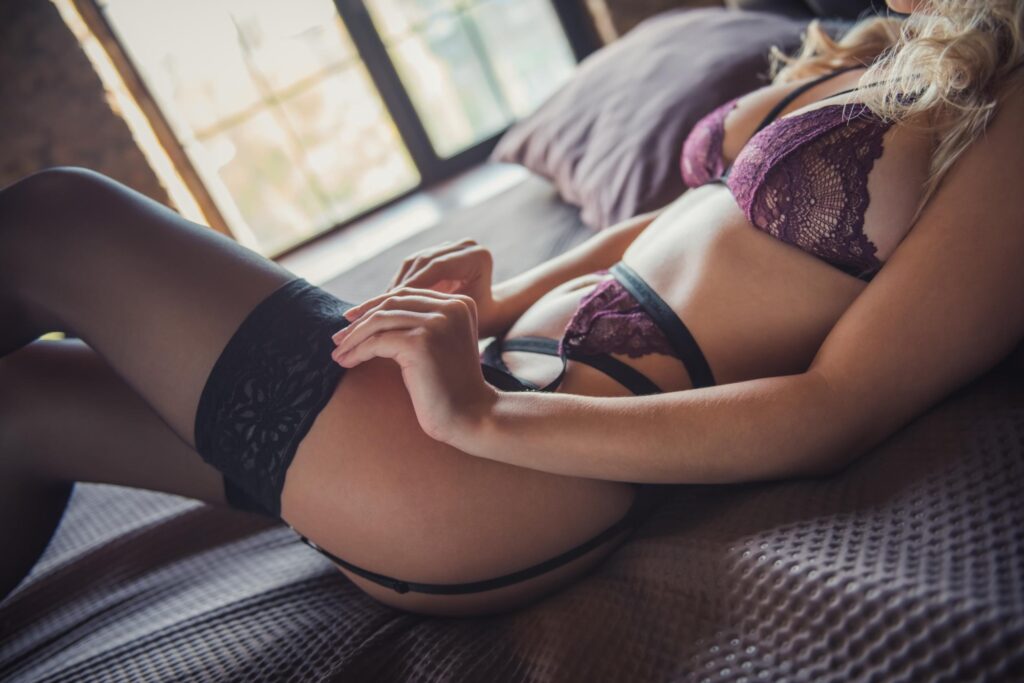
Fabric is one of the most influential elements in lingerie-based erotic art. Lace, silk, mesh, and satin each carry distinct emotional associations that shape how an image is interpreted. These materials do more than cover the body; they interact with light, movement, and skin in ways that create atmosphere.
Lace often suggests delicacy and intricacy, drawing the eye through pattern rather than surface. Silk and satin introduce smoothness and flow, implying ease and intimacy through their natural drape. Mesh and sheer fabrics offer partial visibility, encouraging imagination without direct exposure. In erotic art, these fabric choices are rarely accidental; they are selected to guide mood and response.
Within lingerie-focused erotic art aesthetics, fabric becomes a storytelling device. It communicates softness, tension, or elegance depending on how it is used. The tactile suggestion of fabric—how it might feel, shift, or catch light—adds depth to the visual narrative. Rather than overwhelming the viewer, fabric invites curiosity, making the image linger in memory.
Form, Silhouette, and Visual Balance
The form of lingerie plays a critical role in shaping erotic imagery. Silhouettes guide attention, emphasising certain lines while softening others. High-waisted designs, structured corsetry, or minimalist cuts each convey different emotional tones, from classic elegance to modern restraint.
In erotic art, form is less about trend and more about balance. How lingerie frames the body influences posture, movement, and composition. A carefully chosen silhouette can suggest confidence, vulnerability, or quiet strength without relying on overt cues. This balance between structure and softness creates visual harmony.
Discussions around lingerie-focused erotic art aesthetics often highlight how form works in tandem with pose and setting. The relationship between garment and body becomes part of the artwork’s rhythm. By understanding how silhouette shapes perception, viewers gain insight into why certain images feel composed rather than explicit, alluring rather than exposed.
The Power of Suggestion Over Exposure
Suggestion is the defining strength of lingerie in erotic art. By revealing selectively, lingerie allows imagination to fill the gaps. This restraint often proves more compelling than complete exposure, as it engages the viewer’s curiosity rather than satisfying it immediately.
Erotic art that relies on suggestion encourages interpretation. The viewer is invited to participate mentally, completing the narrative through personal perception. Lingerie supports this by offering hints rather than answers—edges, seams, shadows, and layers that imply more than they show.
Within a thoughtfully structured adult blog, suggestion is presented as an intentional artistic choice. It reflects a broader preference for nuance over excess. By valuing implication, erotic art using lingerie maintains a sense of sophistication, allowing sensuality to unfold slowly rather than all at once.
Colour, Texture, and Emotional Tone
Colour choices in lingerie significantly influence emotional tone. Dark hues may evoke mystery or intensity, while lighter shades suggest softness or intimacy. Texture adds another layer, creating contrast between smoothness and complexity that enhances visual interest.
In erotic art, colour and texture work together to guide mood. A matte fabric absorbs light, creating subtlety, while glossy materials reflect attention. These choices affect how the image feels emotionally, shaping response without explicit cues.
Exploration of lingerie-focused erotic art aesthetics often notes that colour is rarely chosen for shock. Instead, it supports the overall composition, aligning with lighting, background, and posture. This cohesion reinforces the image’s emotional direction, making it feel intentional rather than random.
Styling as Narrative Direction
Styling choices extend beyond lingerie itself. Accessories, hair, and setting all contribute to how lingerie is perceived within erotic art. These elements provide context, transforming garments into narrative tools rather than standalone objects.
A minimalist setting may emphasise intimacy, while a more elaborate environment introduces drama. Accessories can add contrast or continuity, guiding attention subtly. Styling choices determine whether the image feels playful, contemplative, or quietly confident.
Within a thoughtfully structured adult blog, styling is discussed as part of visual storytelling. It reinforces the idea that erotic art is constructed, not accidental. Lingerie becomes one element in a larger composition, working alongside other details to create cohesive imagery.
Why Lingerie Endures in Erotic Art
Lingerie continues to endure in erotic art because it balances sensuality with restraint. It allows desire to be expressed through design rather than exposure, making it adaptable across styles and eras. Its versatility supports both classic and contemporary aesthetics.
By offering a framework for suggestion, lingerie keeps erotic art accessible and refined. It respects the viewer’s imagination, allowing personal interpretation to play a role. This collaborative quality between artwork and audience contributes to its lasting appeal.
Within lingerie-focused erotic art aesthetics, lingerie is not a trend but a language. It evolves in form and material while maintaining its core function: to suggest rather than declare. This adaptability ensures its relevance across changing visual cultures.
Conclusion
Lingerie holds a distinctive place within erotic art by transforming fabric, form, and styling into tools of suggestion and emotional expression. Rather than relying on exposure, it invites imagination through texture, silhouette, and careful composition. By examining lingerie-focused erotic art aesthetics, readers gain insight into how restraint and design create lasting impact. Within a thoughtfully structured adult blog, lingerie is presented not as decoration, but as narrative—one that shapes mood, guides perception, and elevates sensual imagery into expressive art. Through balance and intention, lingerie continues to define erotic visual storytelling in a way that feels refined, engaging, and quietly powerful.


